
Introduction
This project came about through our collective interest in exploring the aesthetics of water through machines.
Throughout the project, we examined the terms machine and making and explored in depth how, when, where, and with what we use machines to produce goods. Although we are comfortable with making products with our hands, we may be reluctant to include machines into the design process. Within the scope of this project, we engaged in a series of design experiments involving a variety of machines from laser cutters to pen plotters to simple sensing, playful, and teachable machines.
We take a process-driven approach rather than an outcomes-oriented approach, and learn to create and express ideas by understanding how to interface with machines which we may not be familiar with or may not be very interested in at first. Different forms of machine and media were utilised to achieve a variety of outcomes.
WATER
So Eunchae/Yeongju Won/Lim Cheng Young.
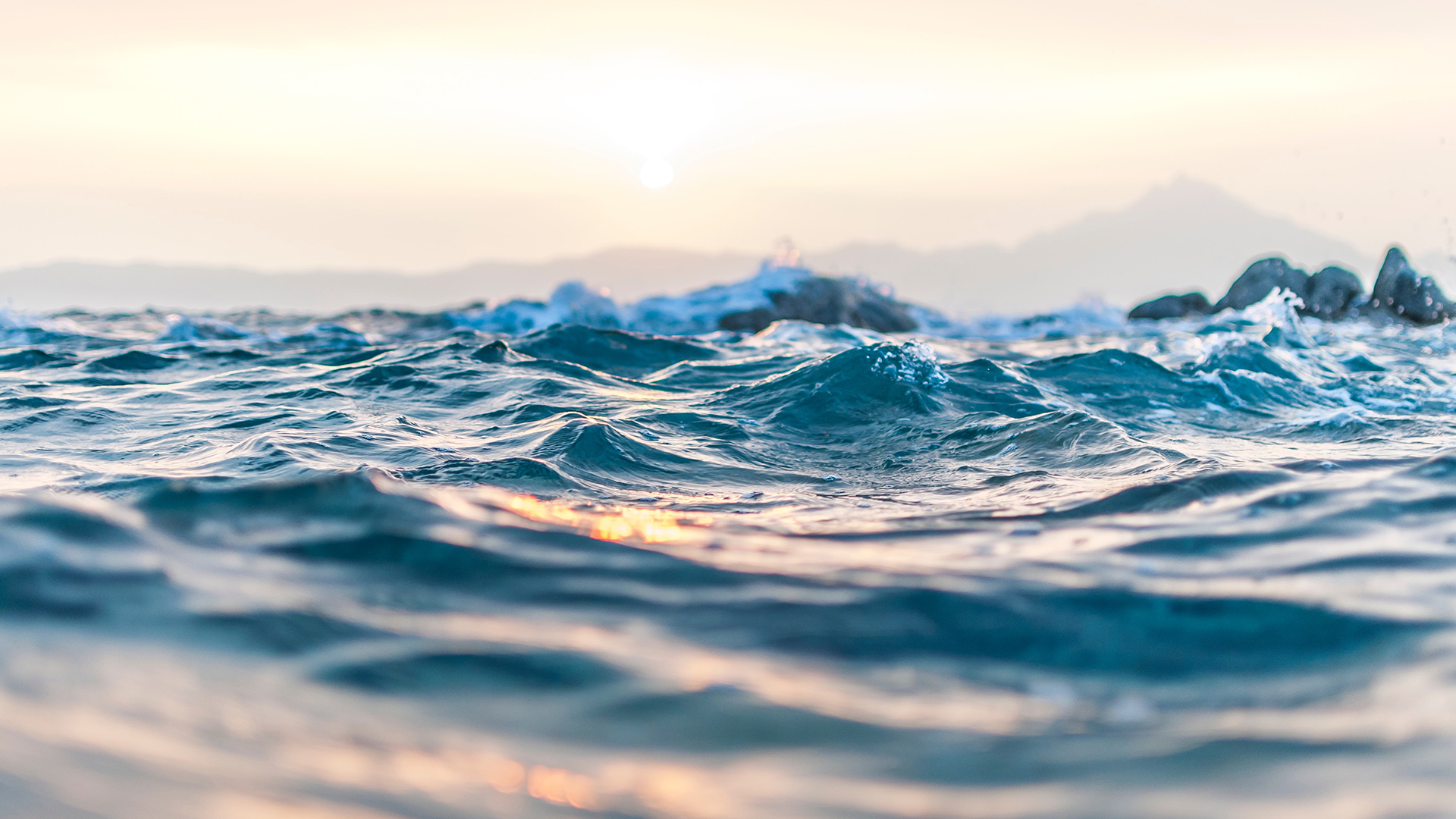
The project explores the aesthetics of water through various machines with the intent of transforming organic outcomes into digital designs. The term “water” encompasses fluid, vital, wet, polluted, and life. As we considered the possibilities for representing the ideas and characteristics of water in so many different ways, the possibilities were endless.
Throughout this semester, using the machine as our primary medium, we explore the relationship between organic matter and human-created objects. We approach projects from a process-oriented perspective, allowing us to be more flexible and creative with the tools that are available to us. Our work utilised a variety of unfamiliar machines to translate the idea of water.
A total of four experiments are involved in our project. The results are listed below.
Experiment 1
Pen Plotter
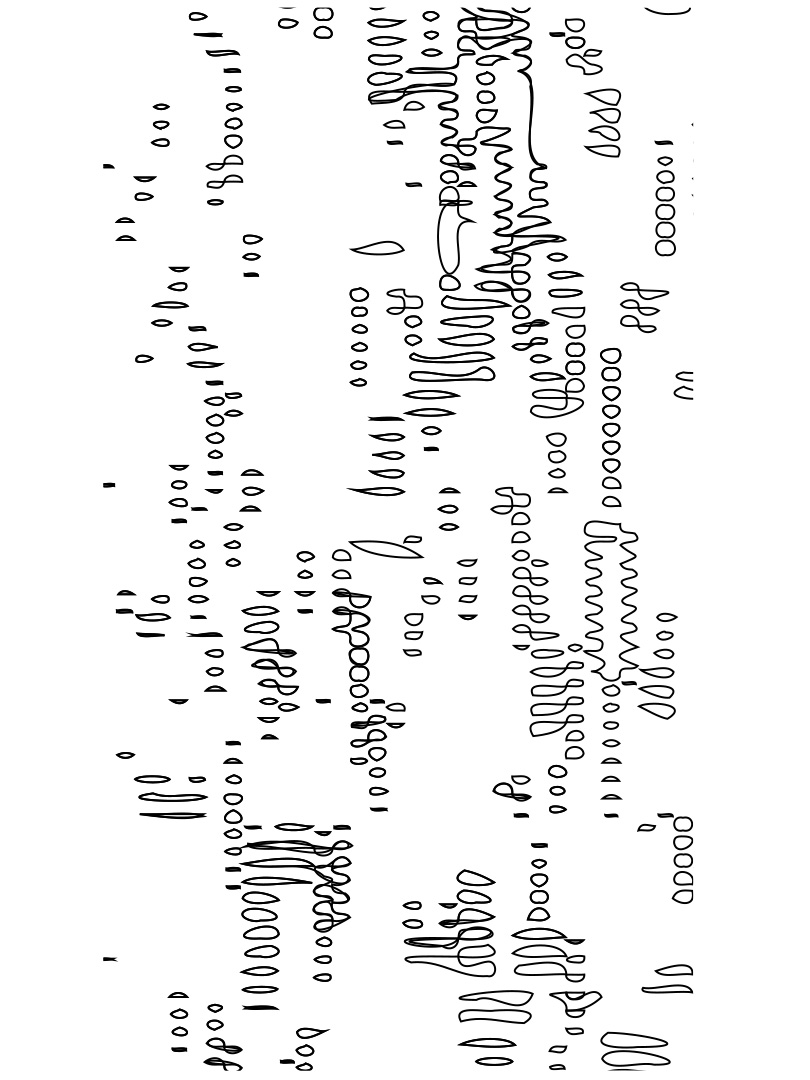
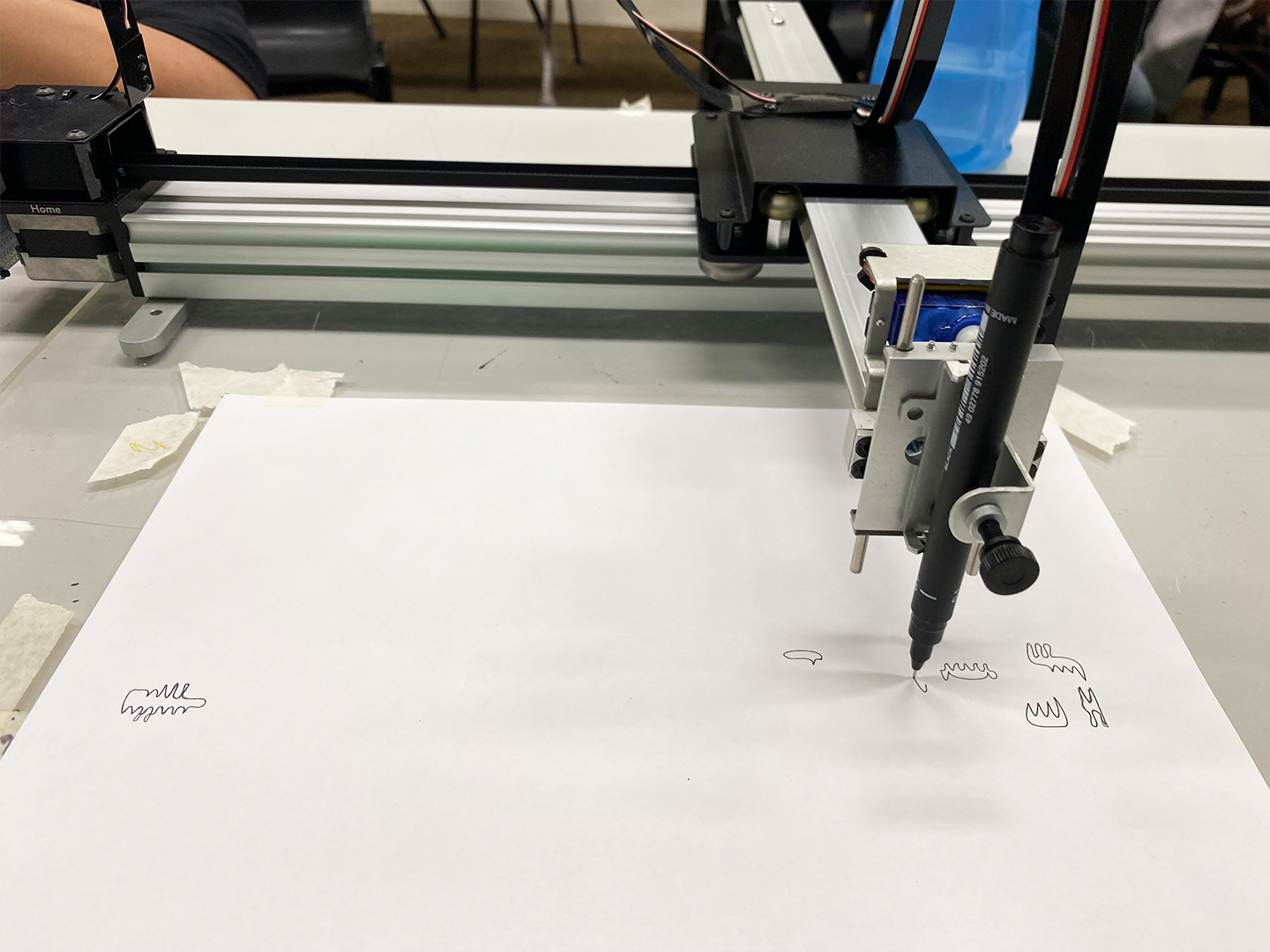
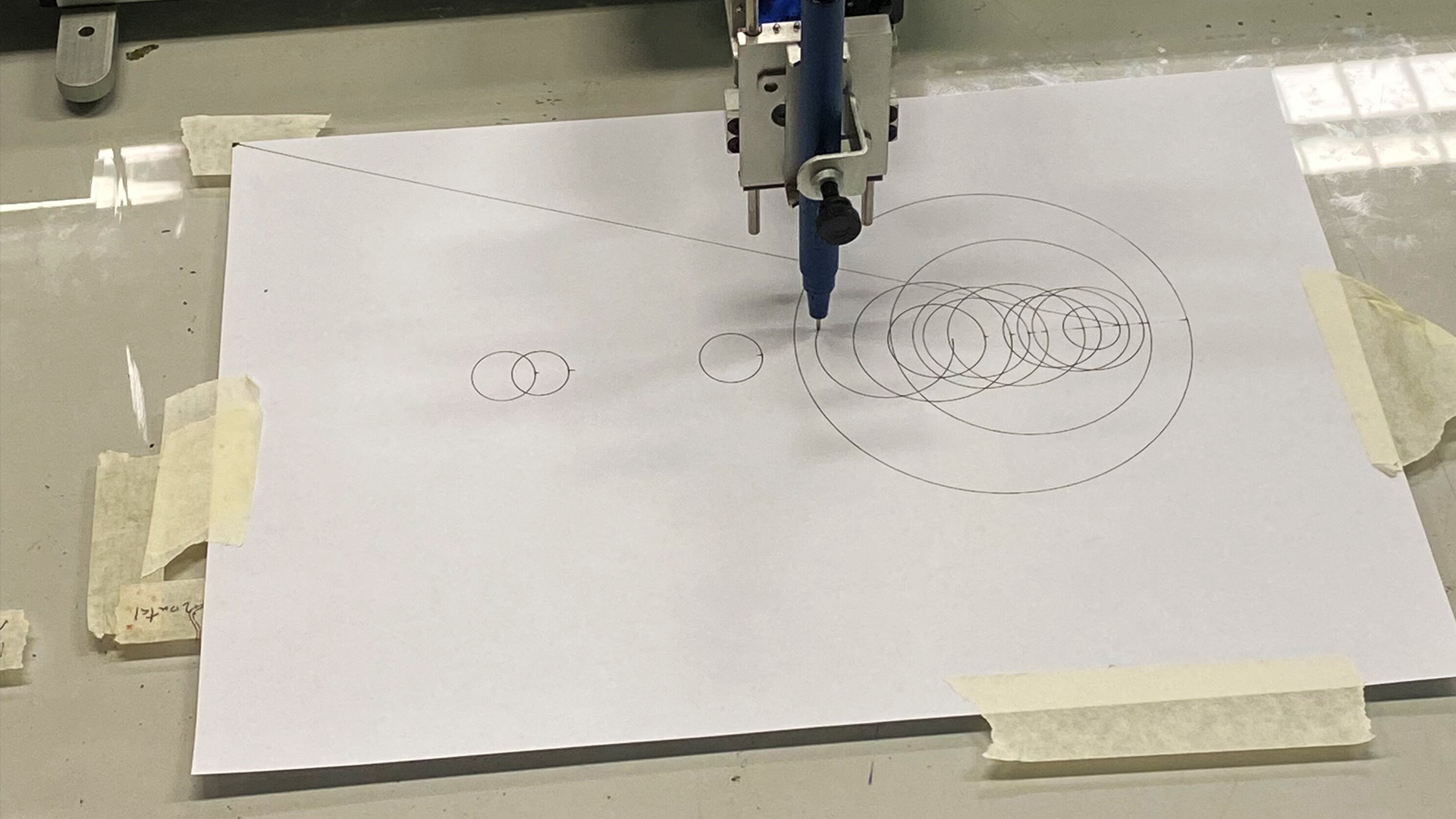
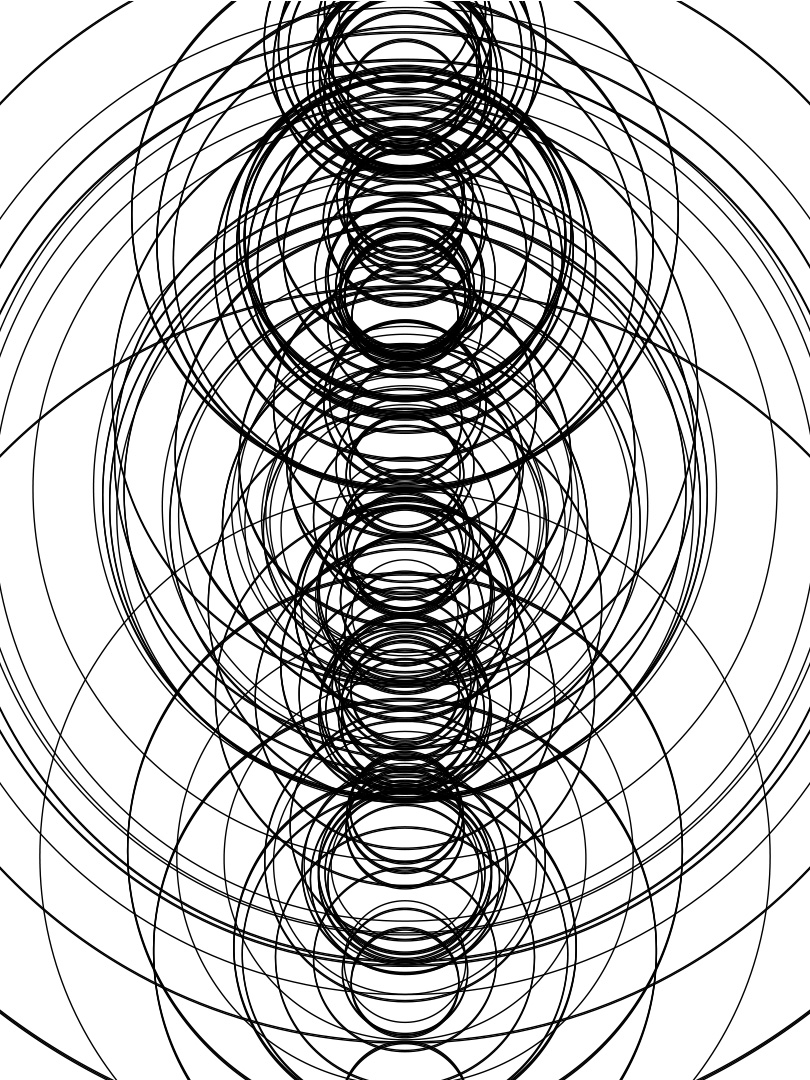
Our approach to the theme of water was to rethink the way liquid substances can be depicted in still images. As a group, we explore and consider the ways in which water can be a subject or a medium during our work with AxiDraw.
We began by developing some ideas for plotting our outcomes using Axidraw, and generated SVG files corresponding to those ideas. During the course of the project, we acquire knowledge of how to operate the machine and download the software. Although the machine was straightforward and simple, its operation requires some knowledge.
Experiment 2
Laser Cutter
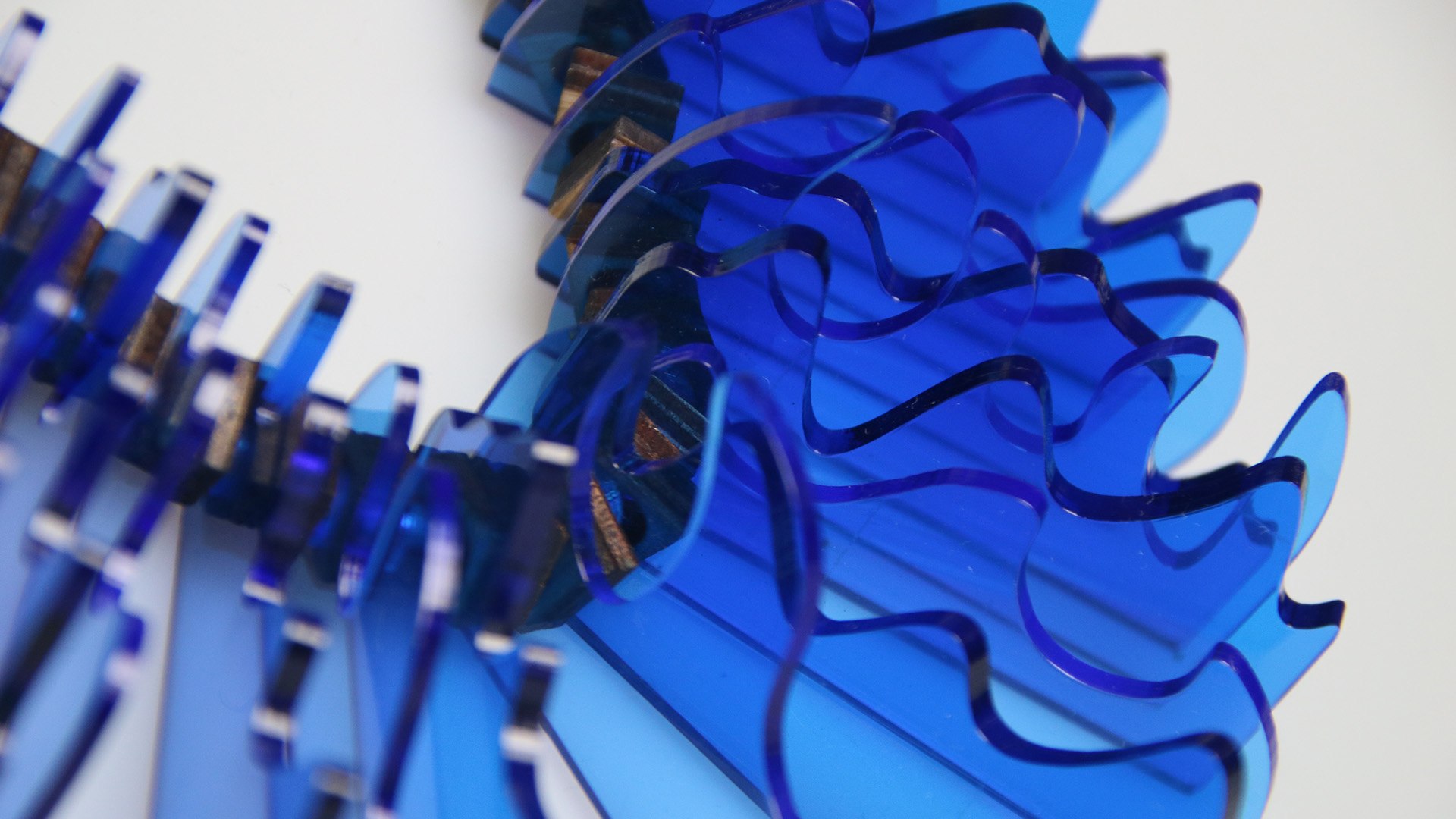
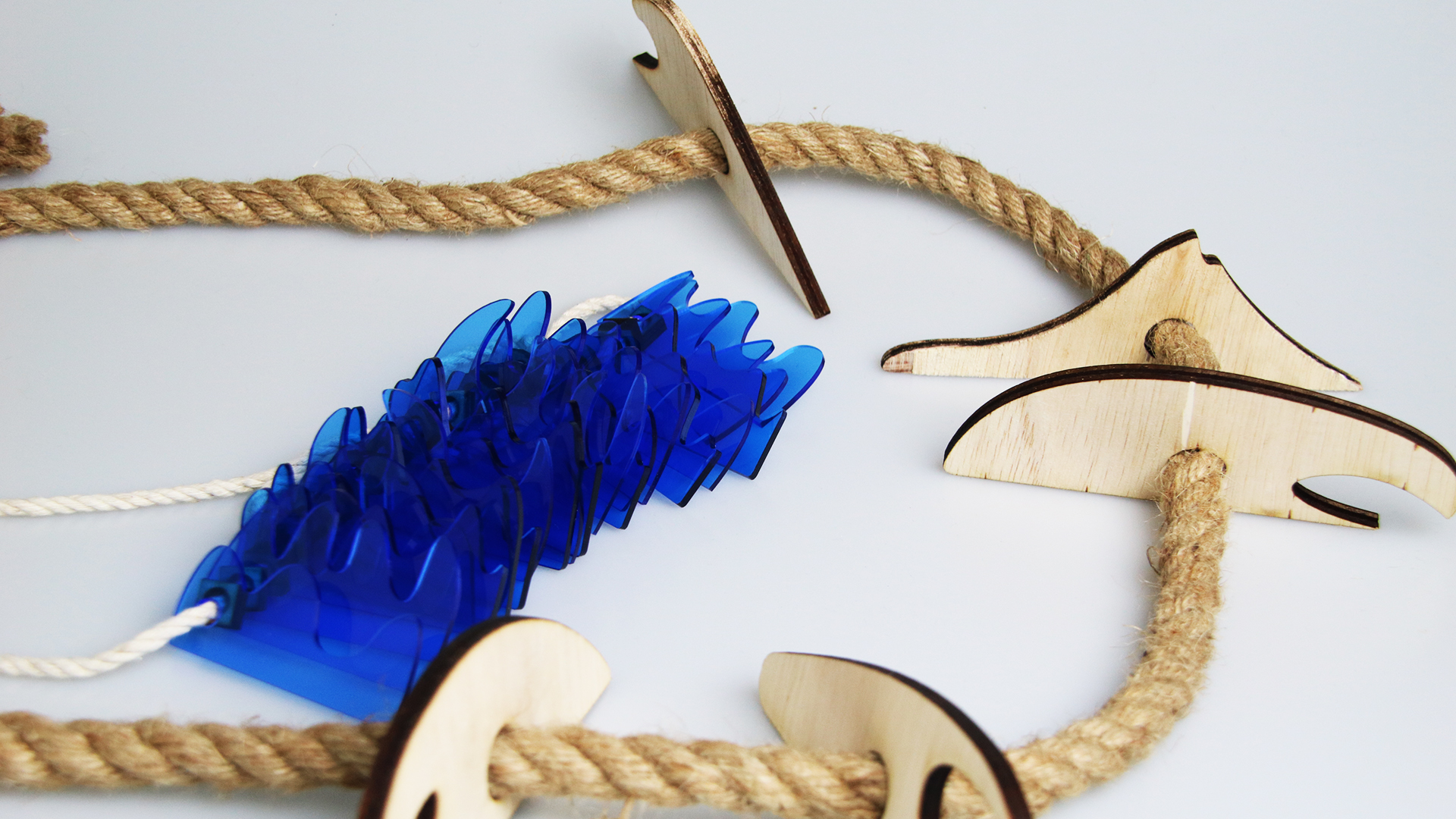
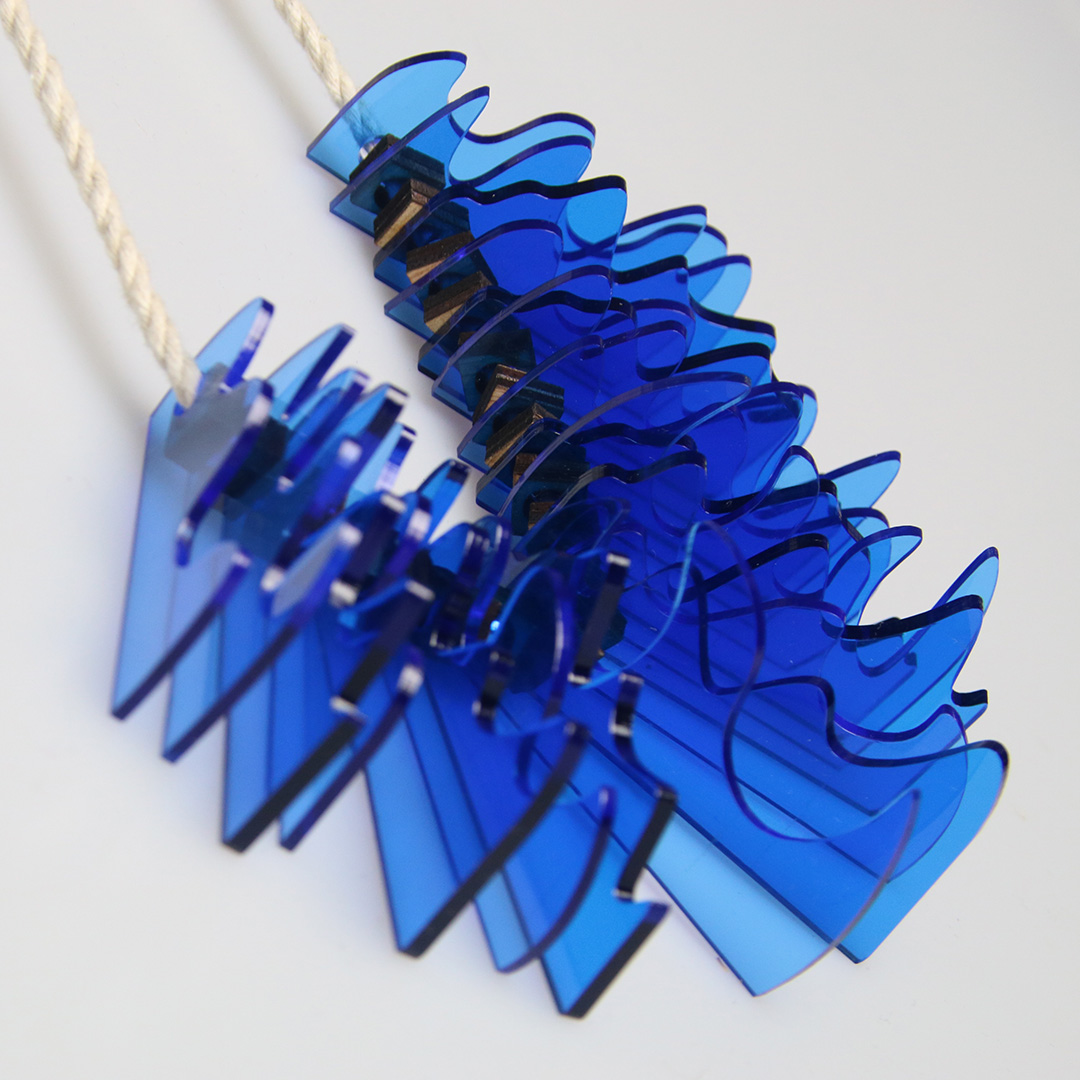
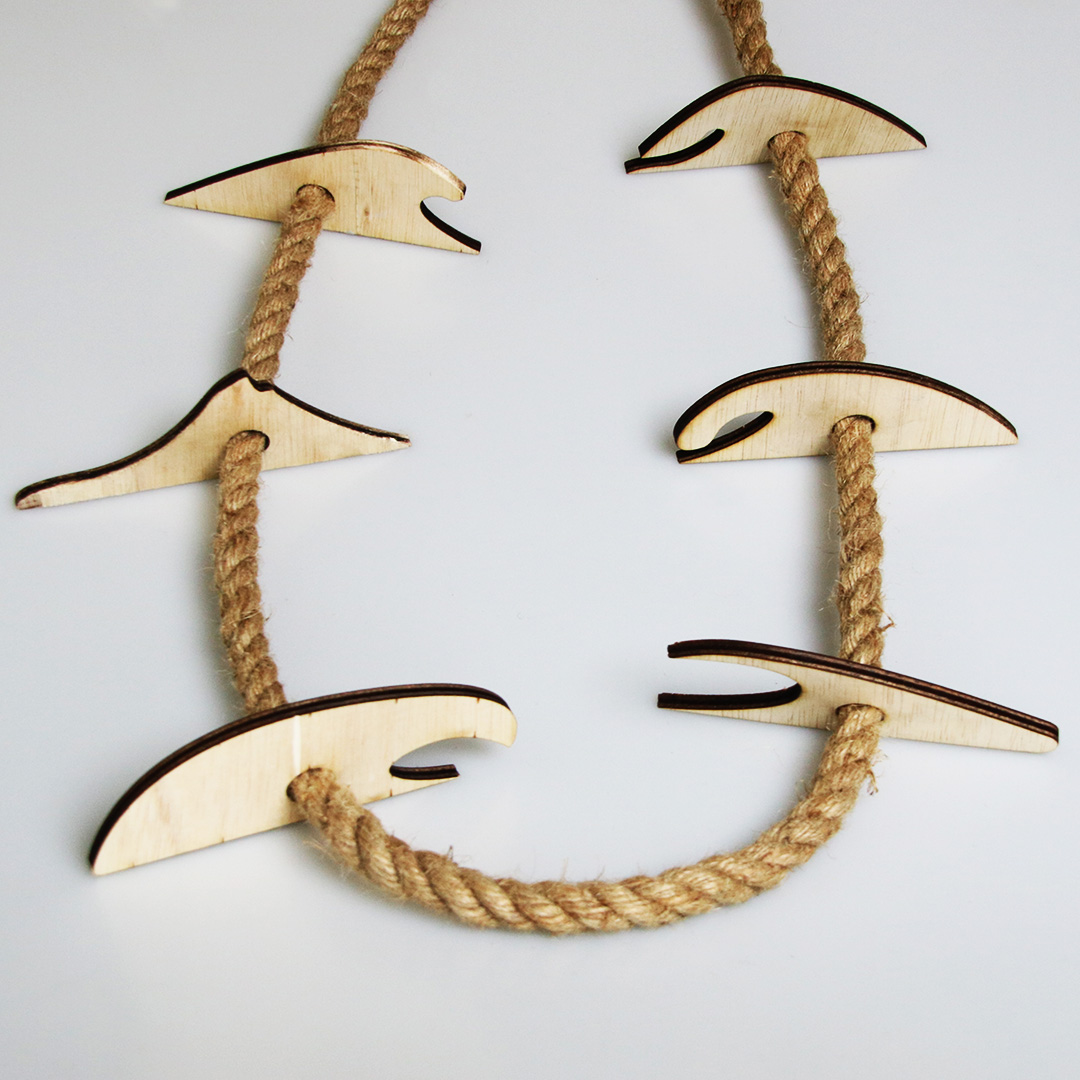
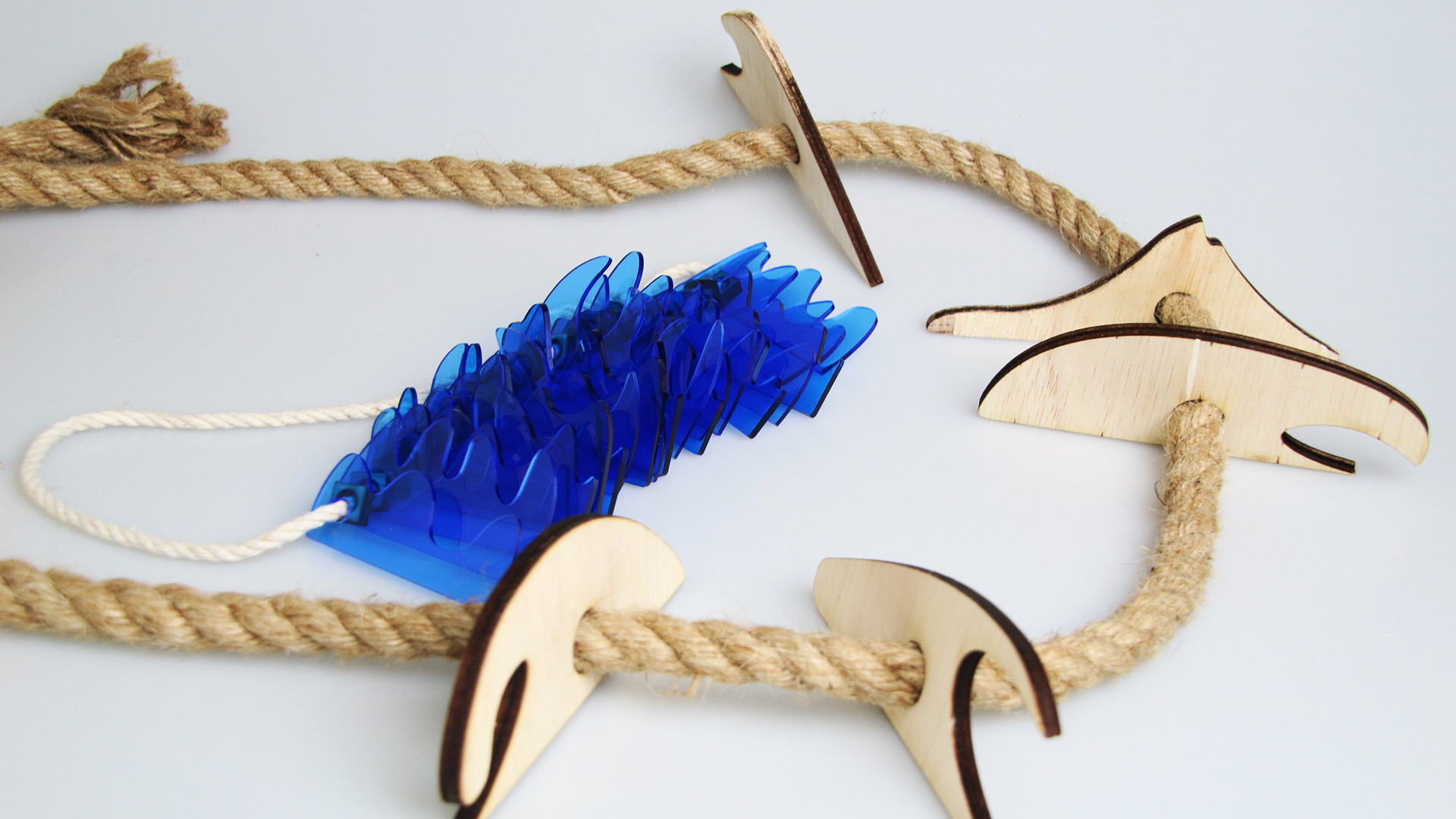
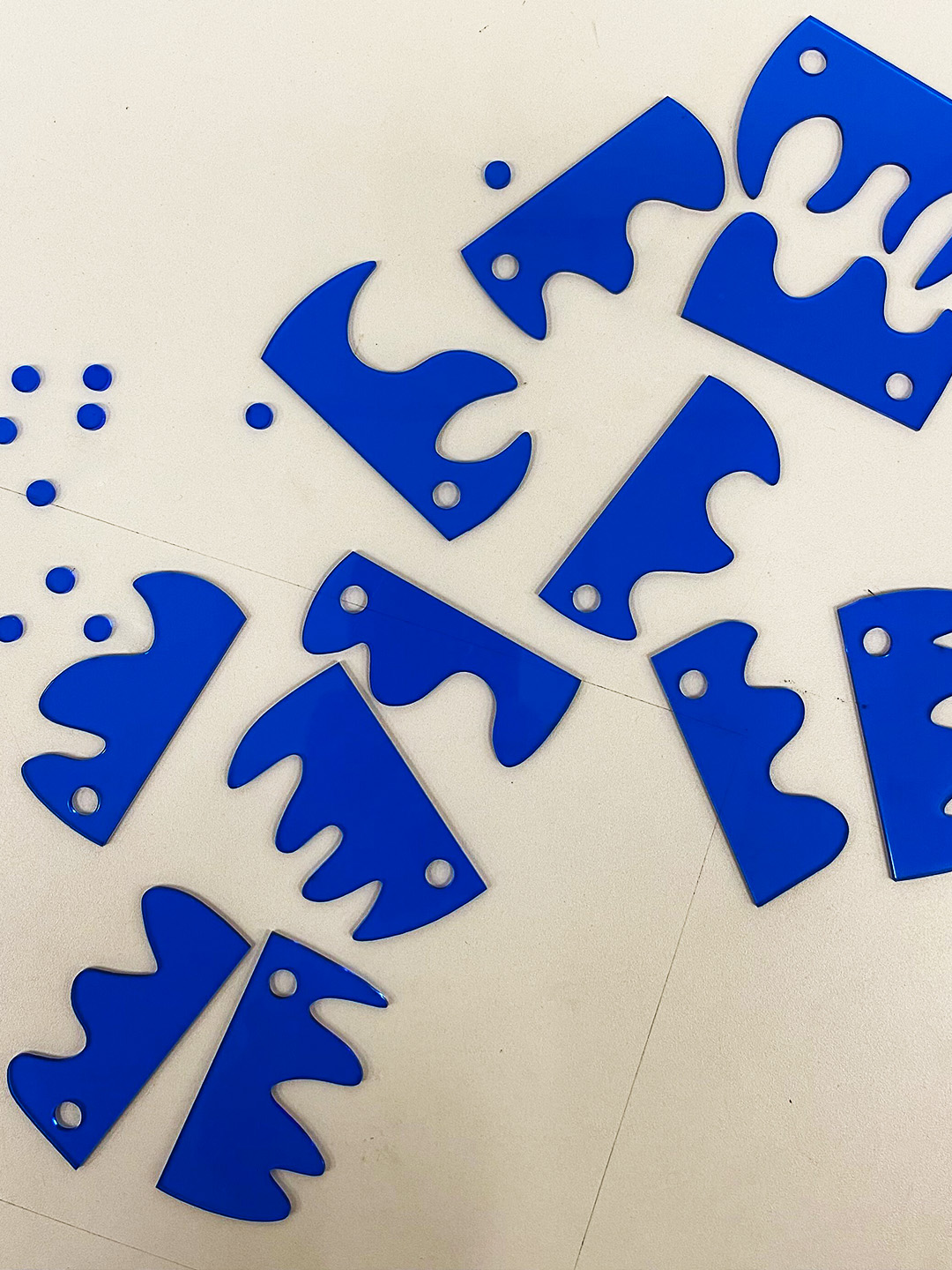
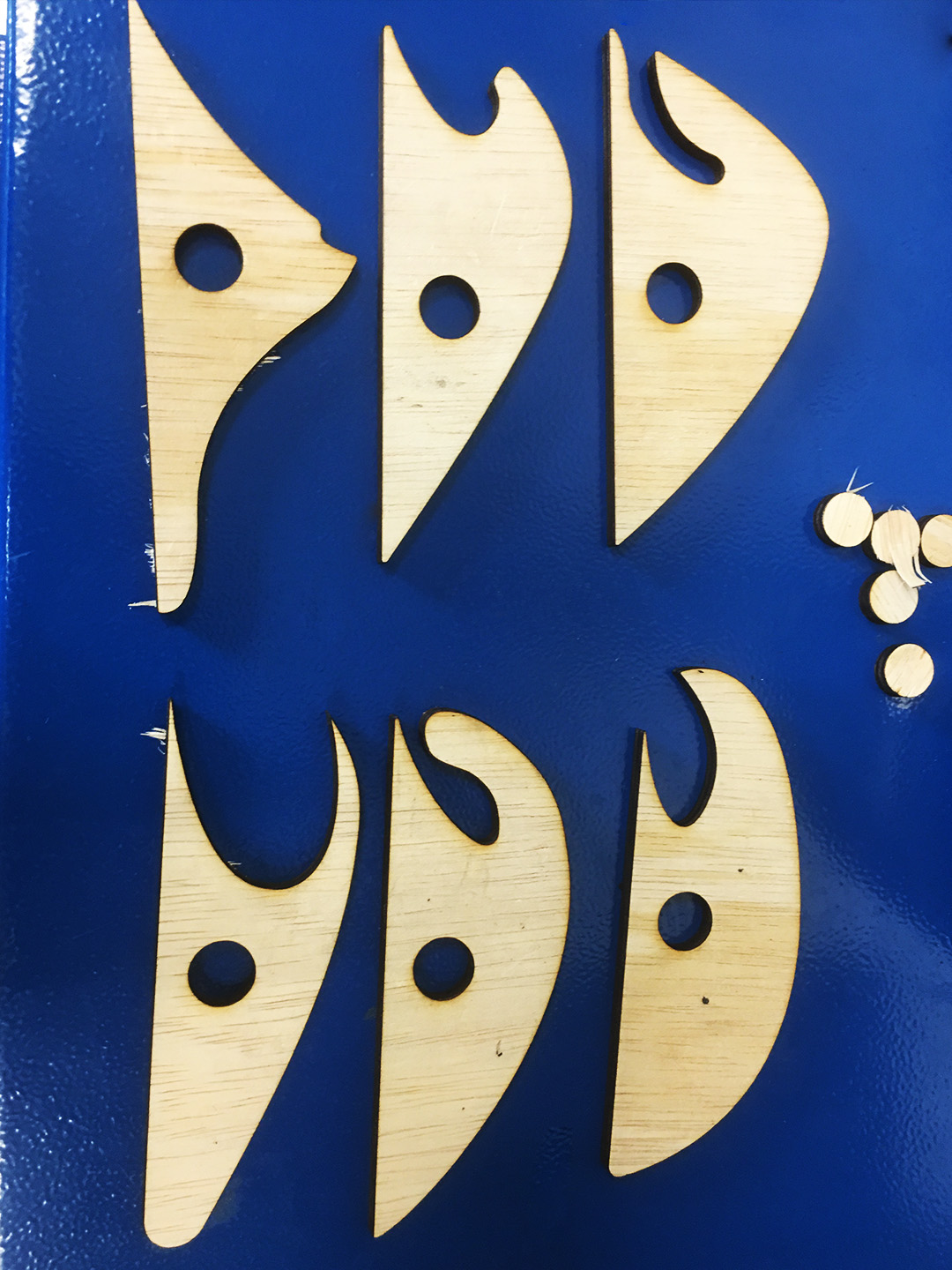
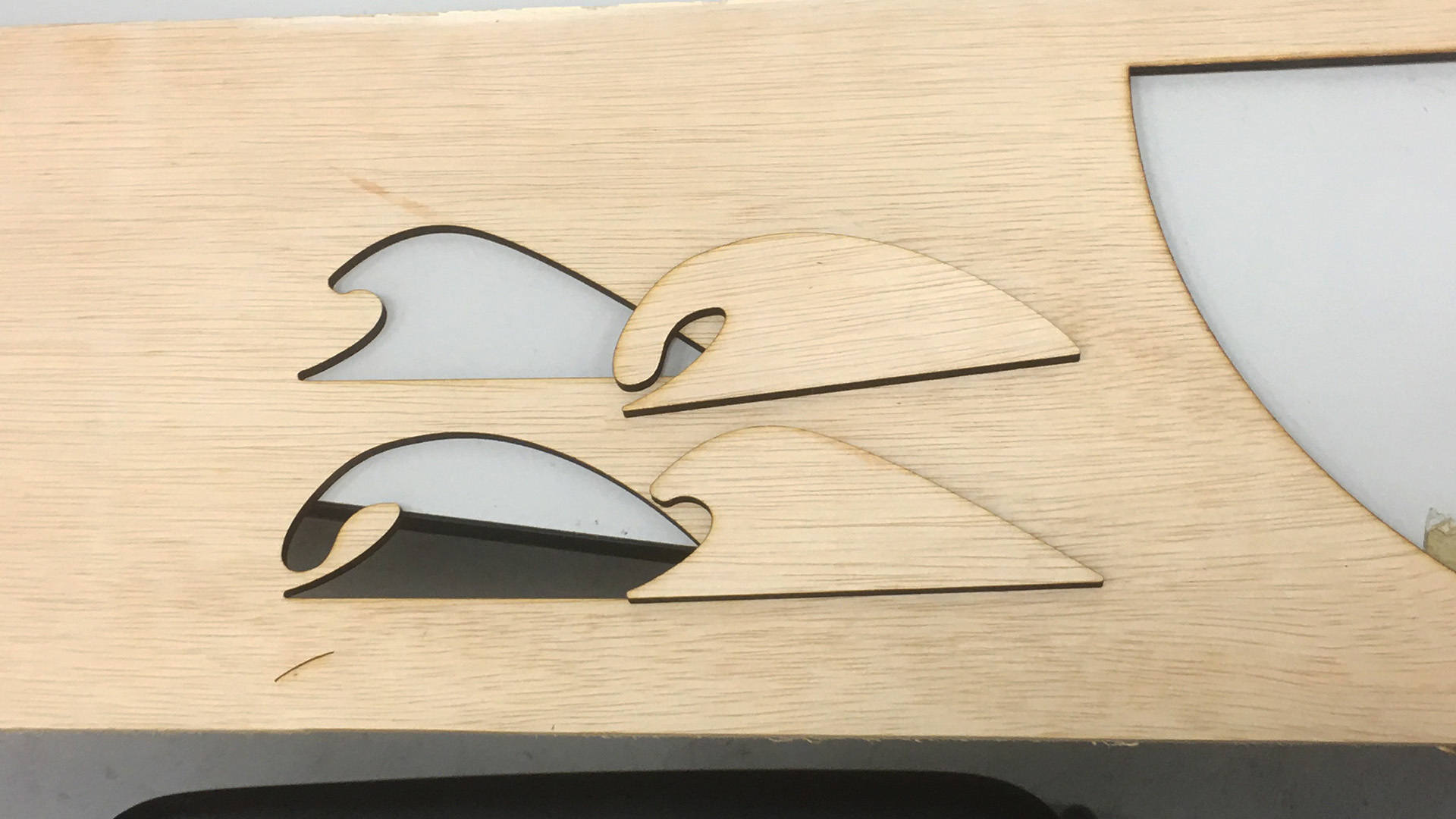
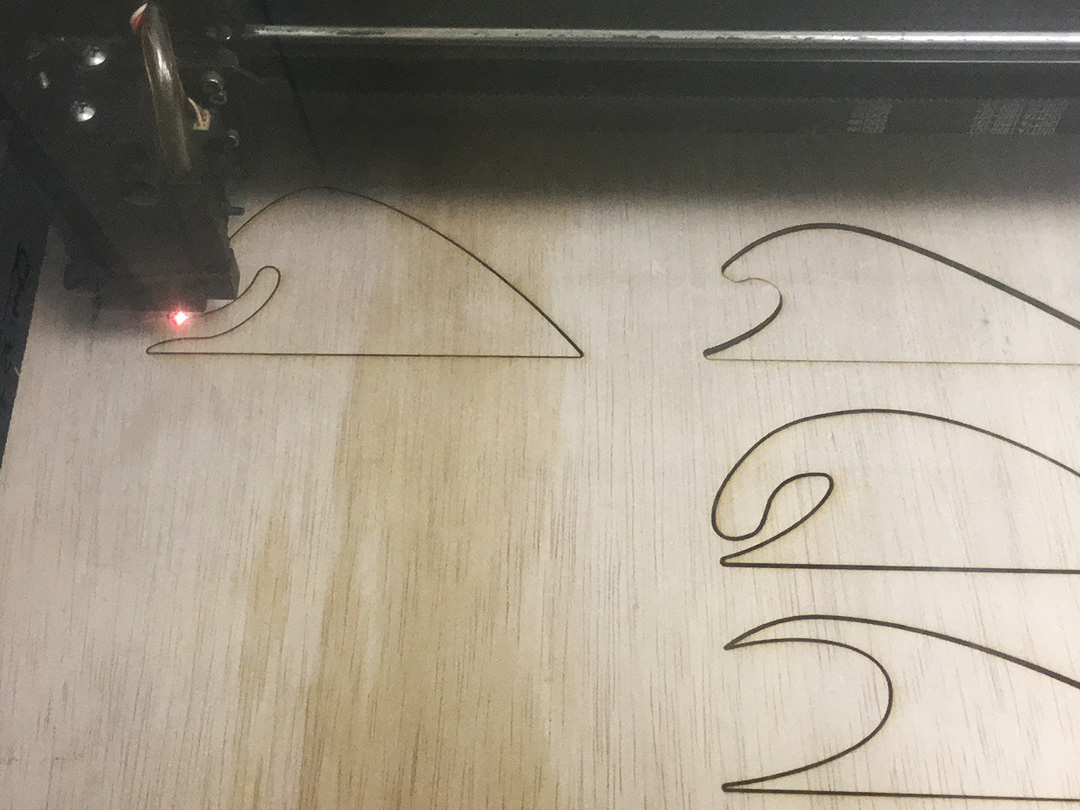
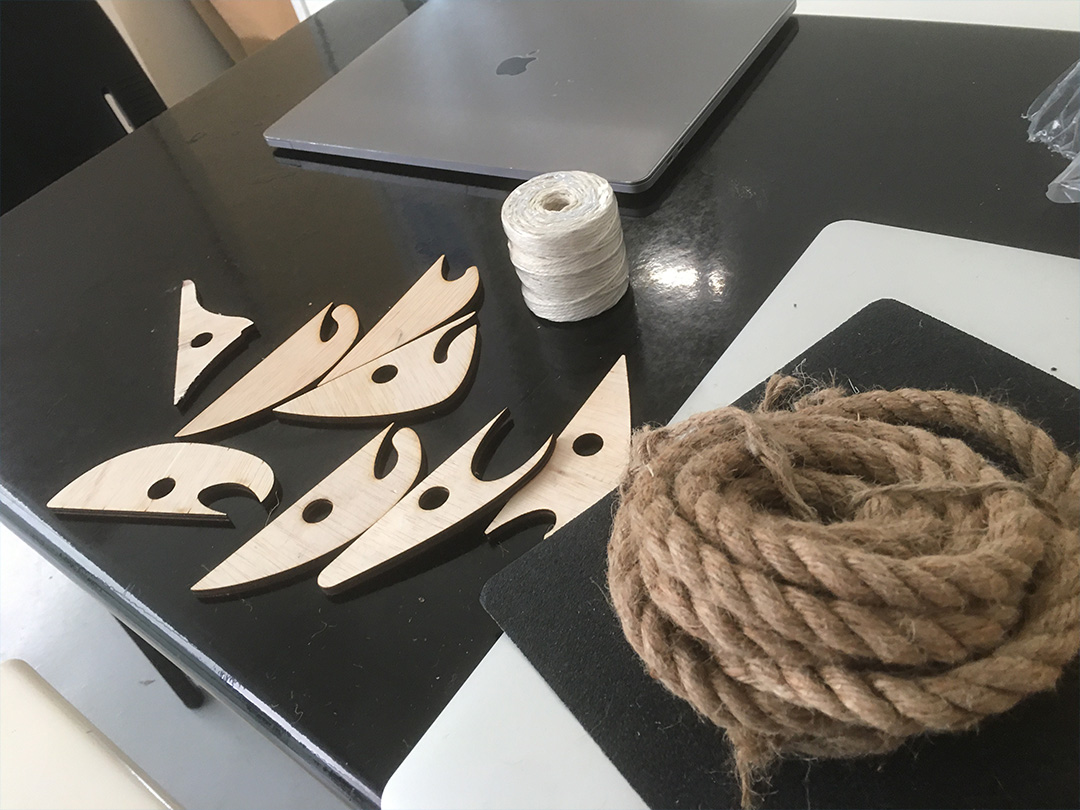
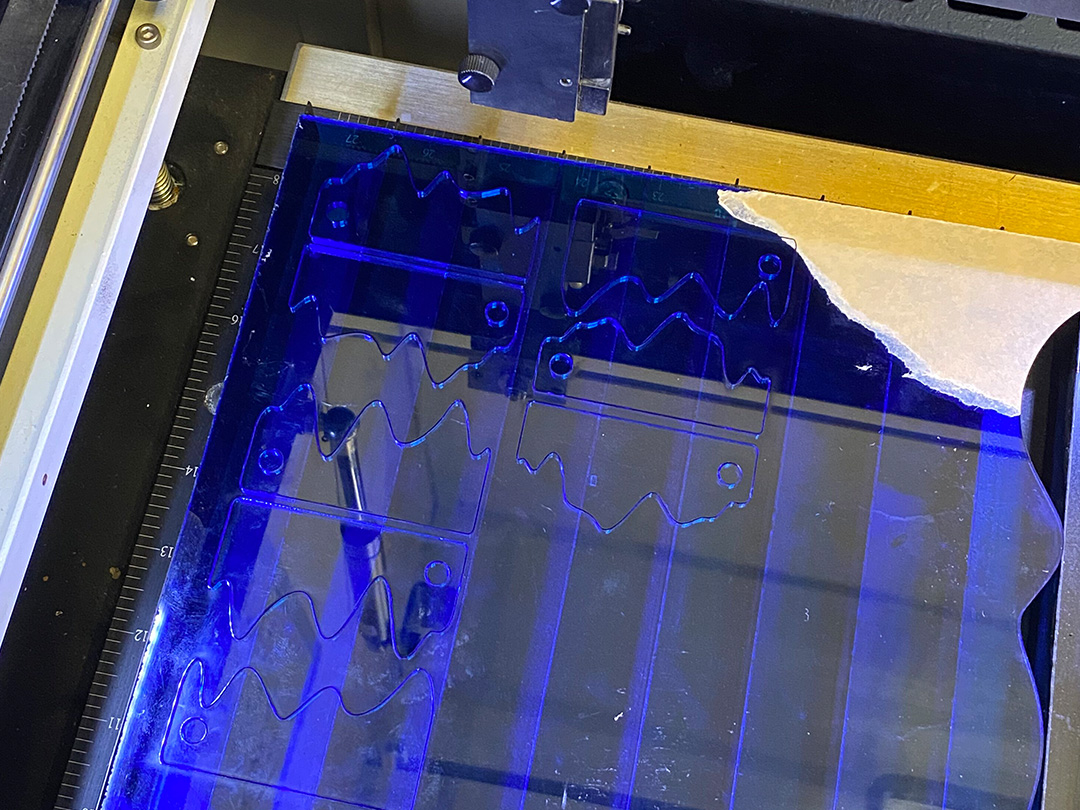
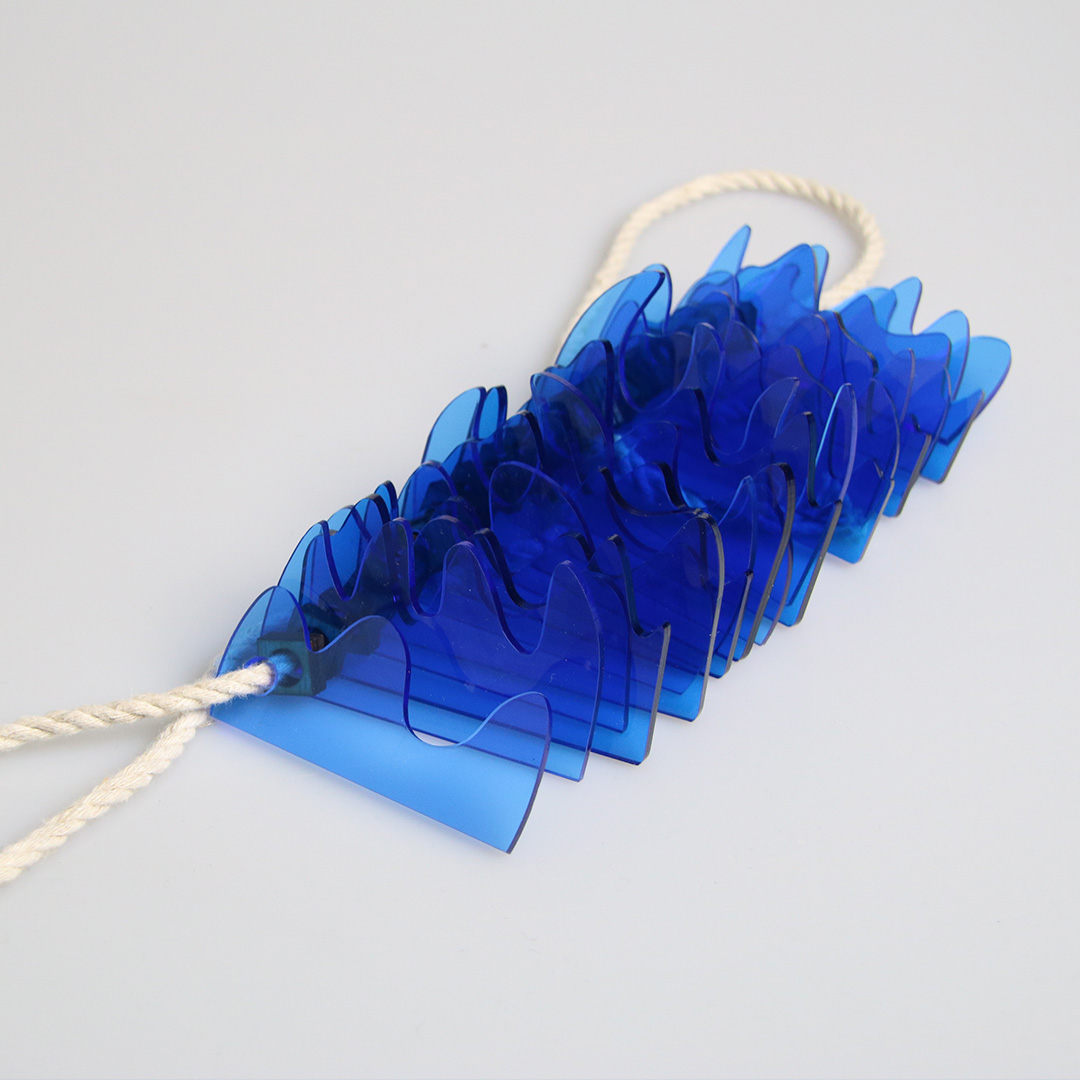
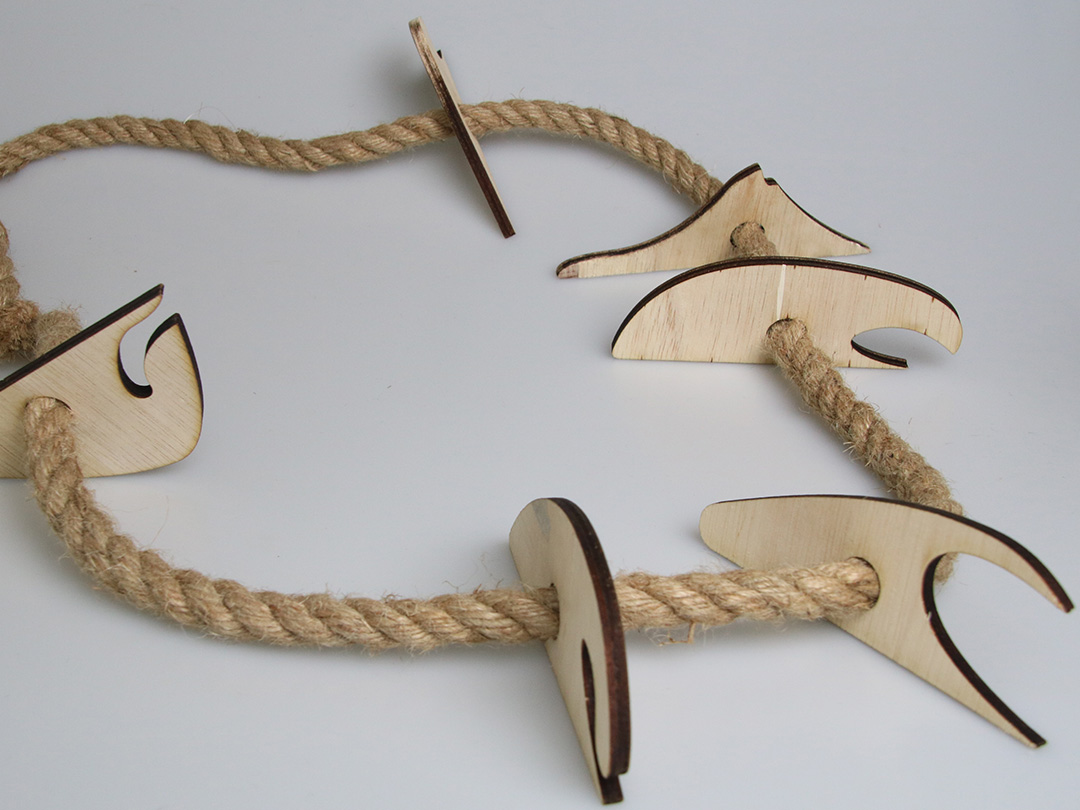
By using the laser cutters, our group produced wearable objects that resembled water. We decided to create an artefact out of wood and acrylic that depicts the outline of waves. Stringed and tied together to form wearable pendants.
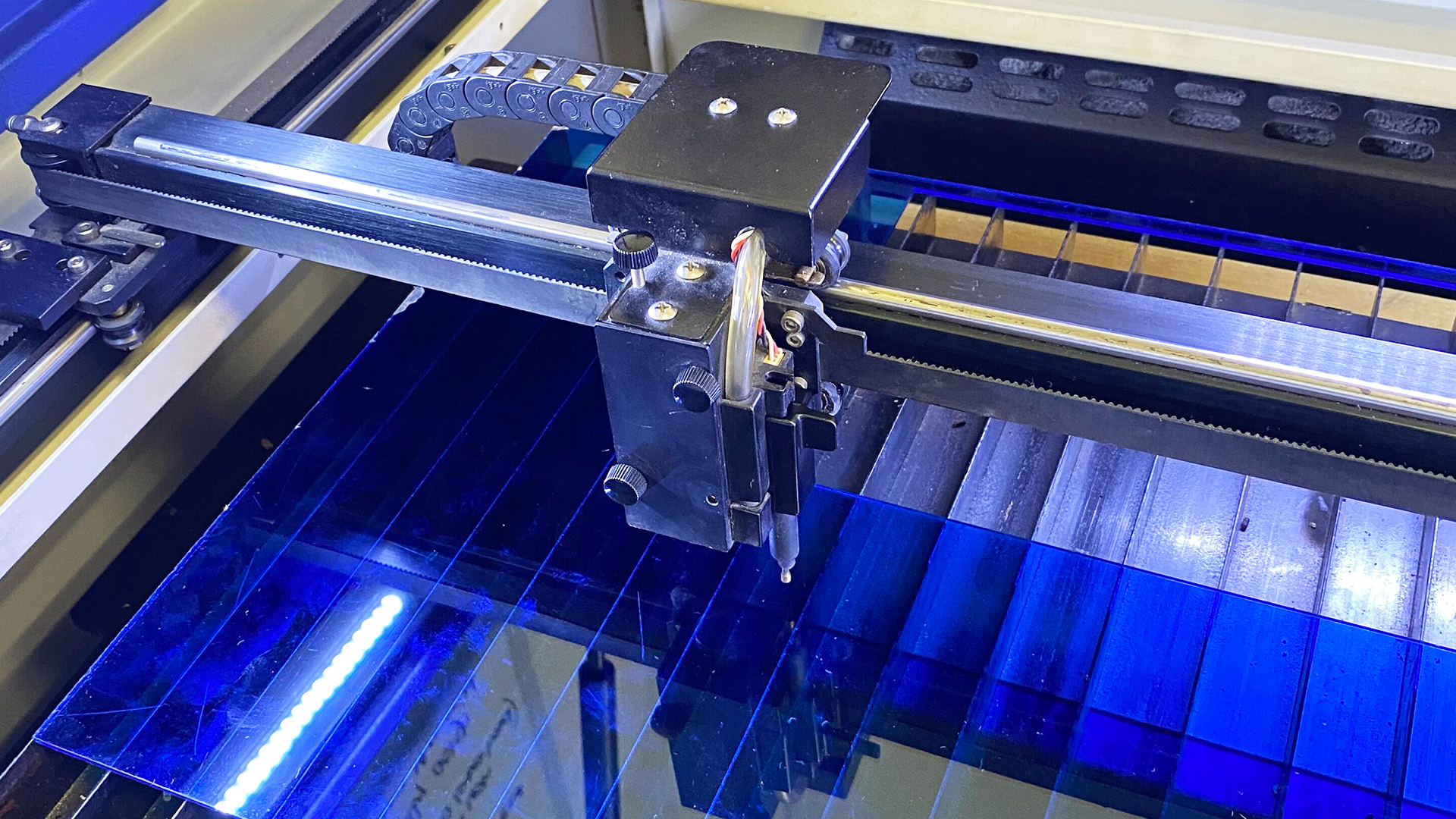
As part of the process of working with Laser Cutter, we explored different materials that would best represent water and ultimately we chose acrylic and wood. We focused on the aspects of water that could be viewed from a three dimensional perspective. We devised a sketch based on the idea of waves consisting of various shapes.
We visited the laser cutting workshop located at G404 and received instruction and demonstration of how the laser cutting machine works. At first it seemed complicated, but after the tutorial, we were able to understand the operation of the machine.
Experiment 3
Micro Controller
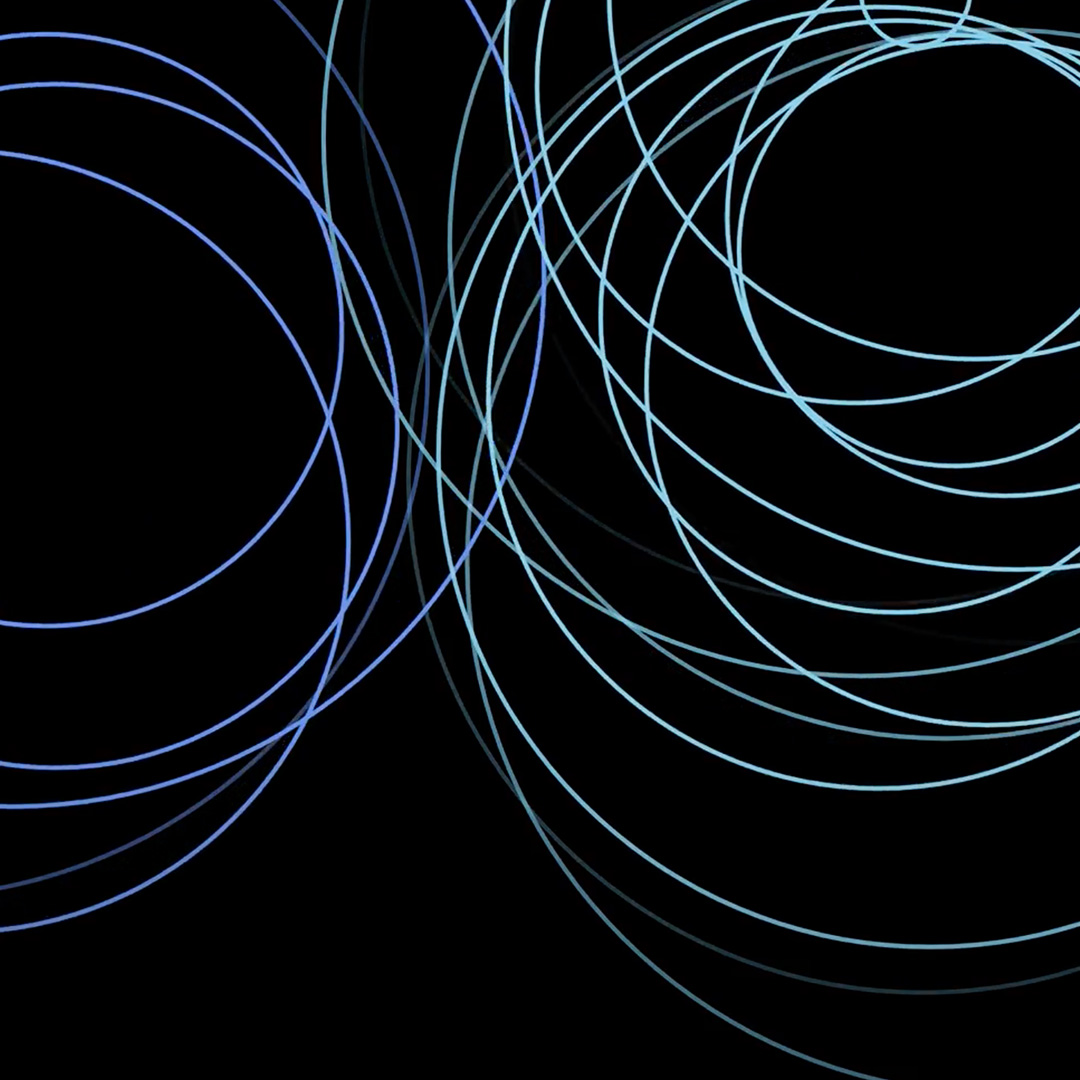
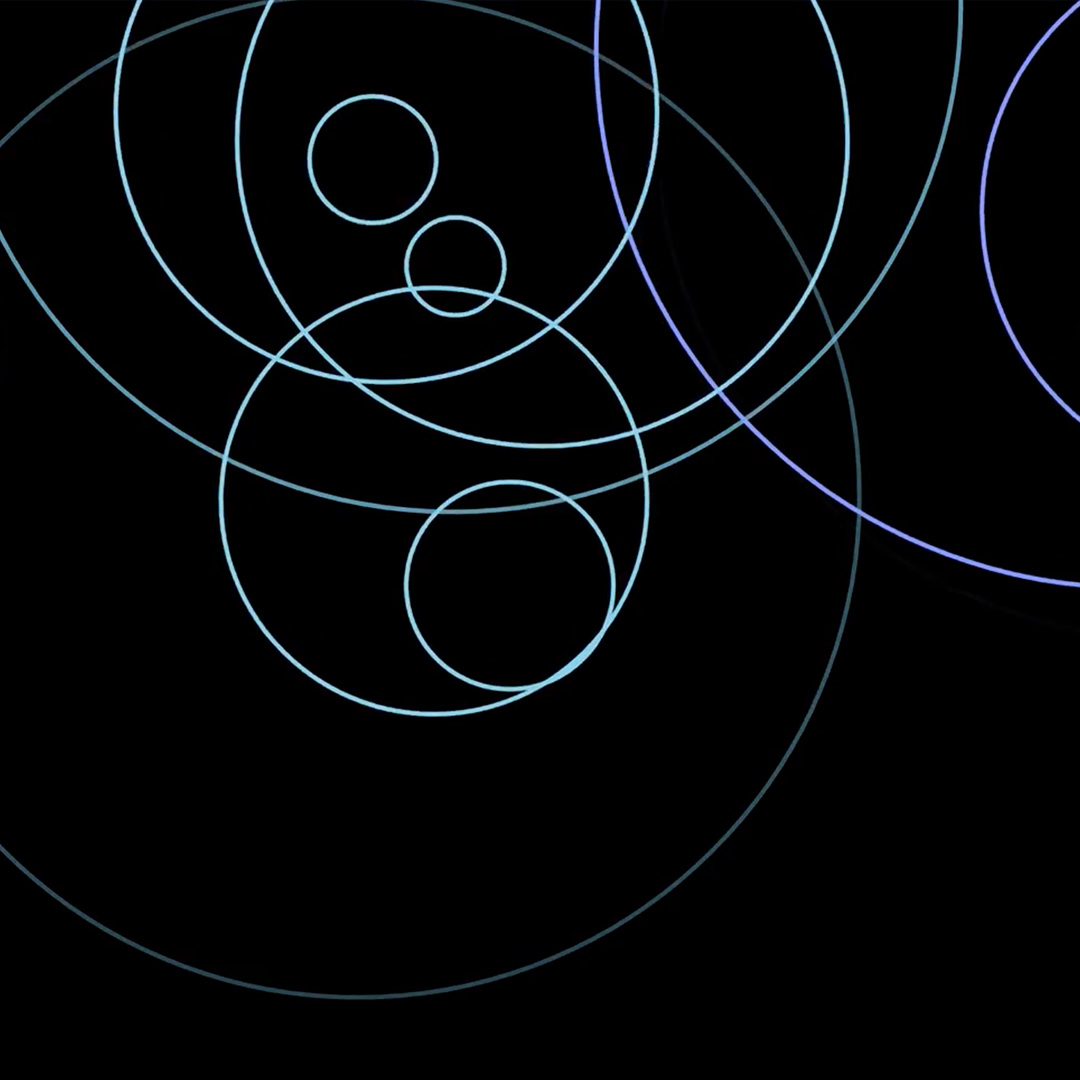
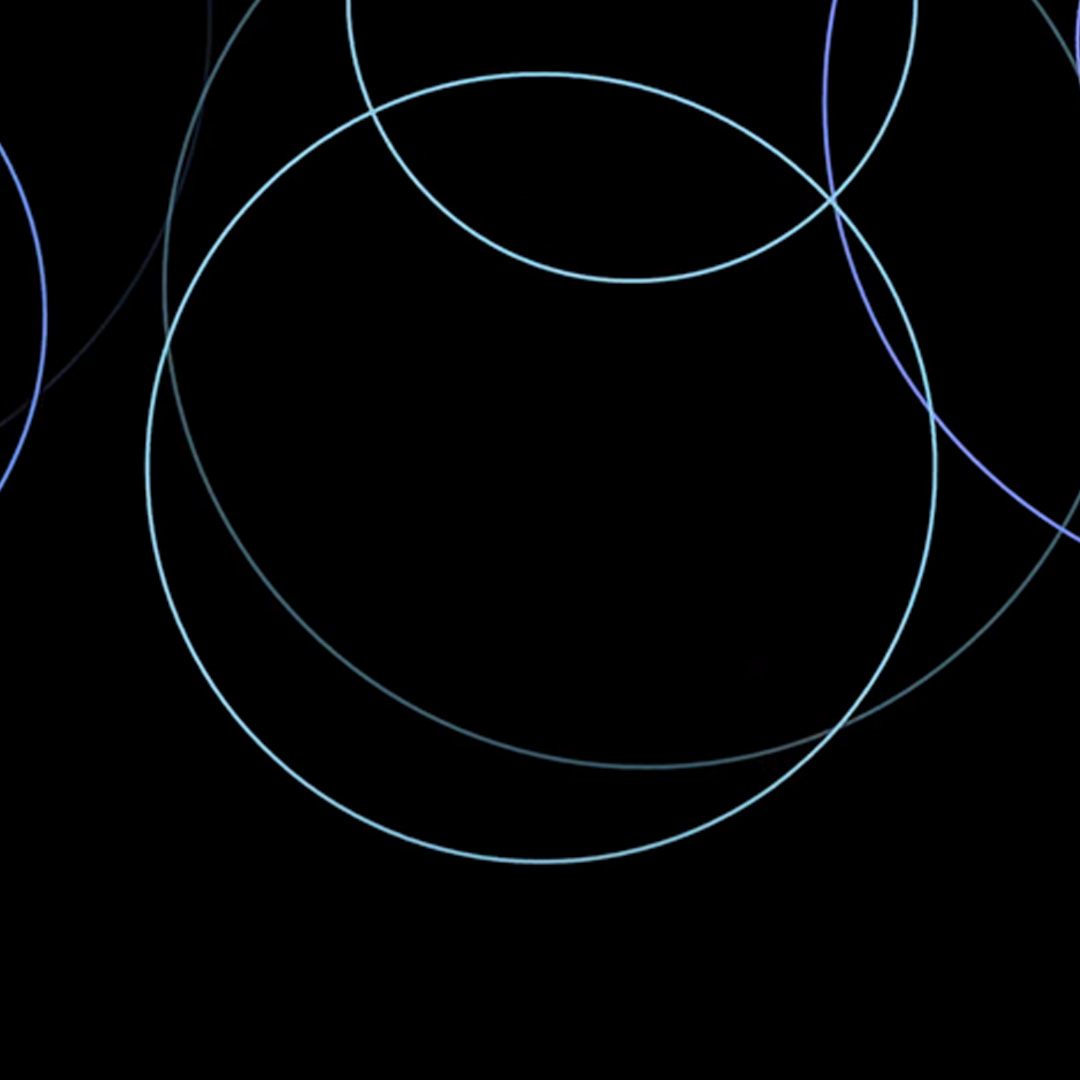
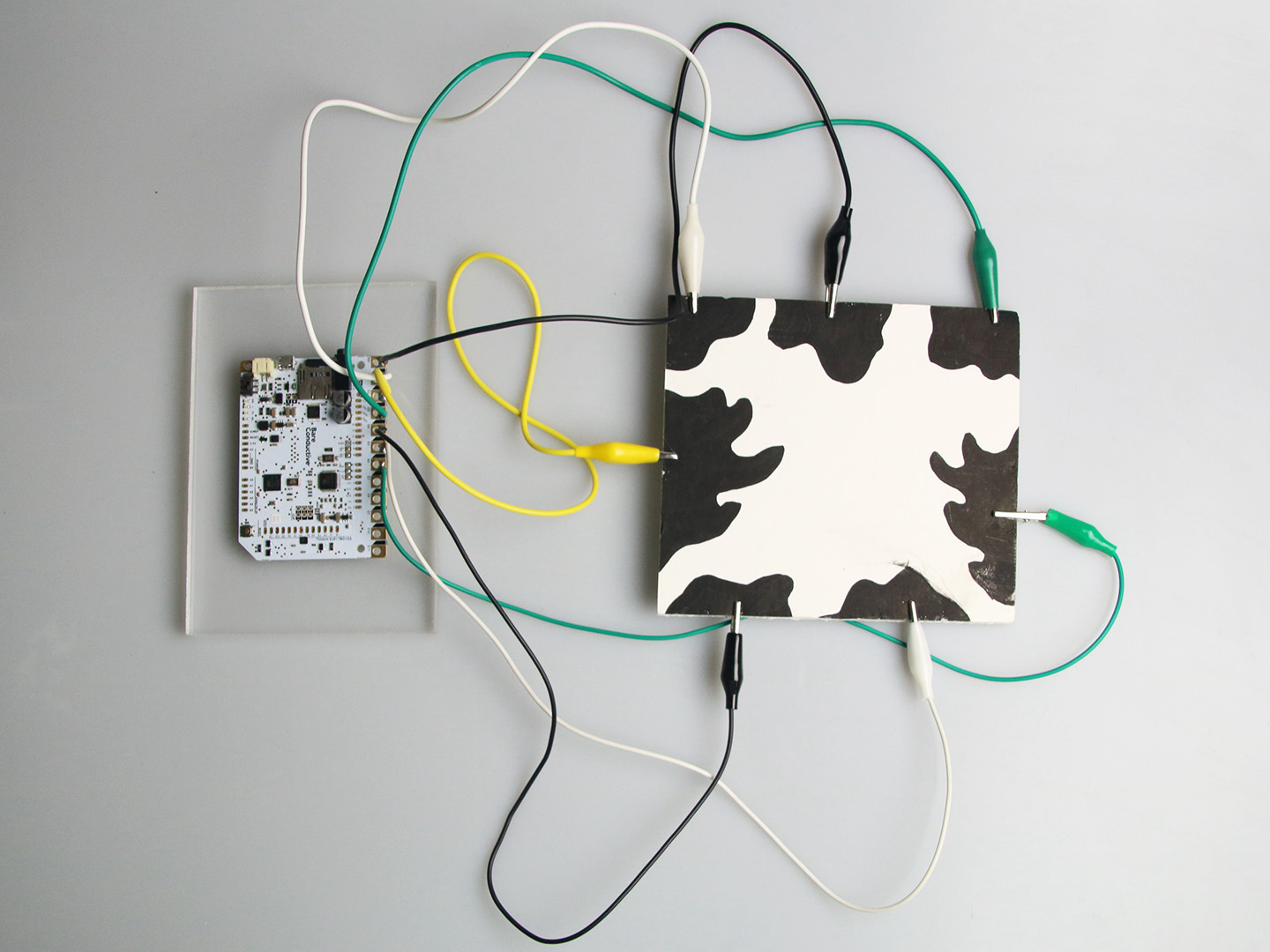
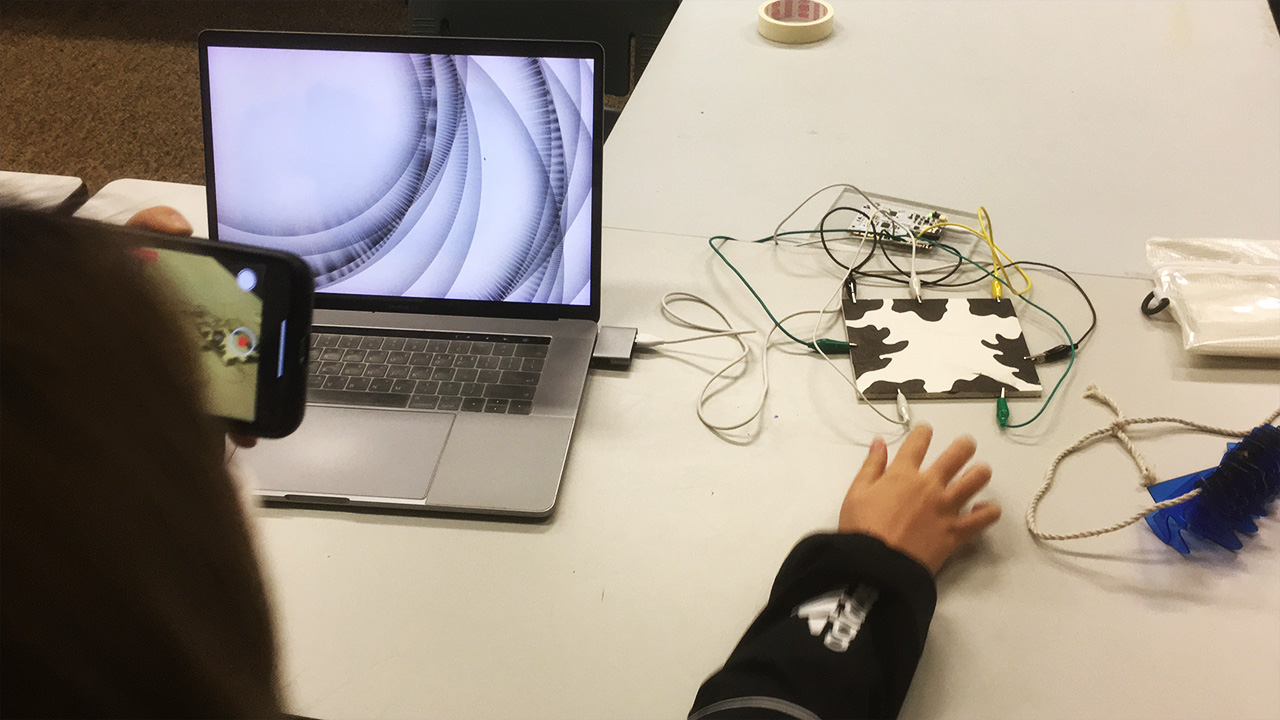
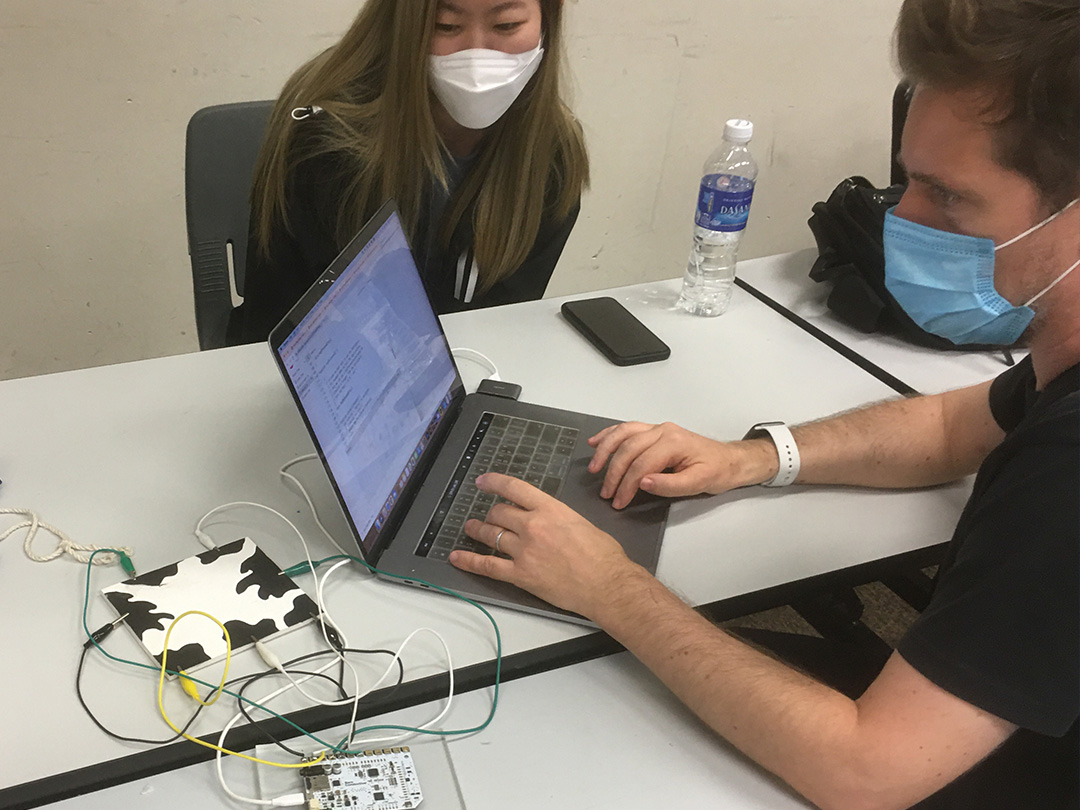
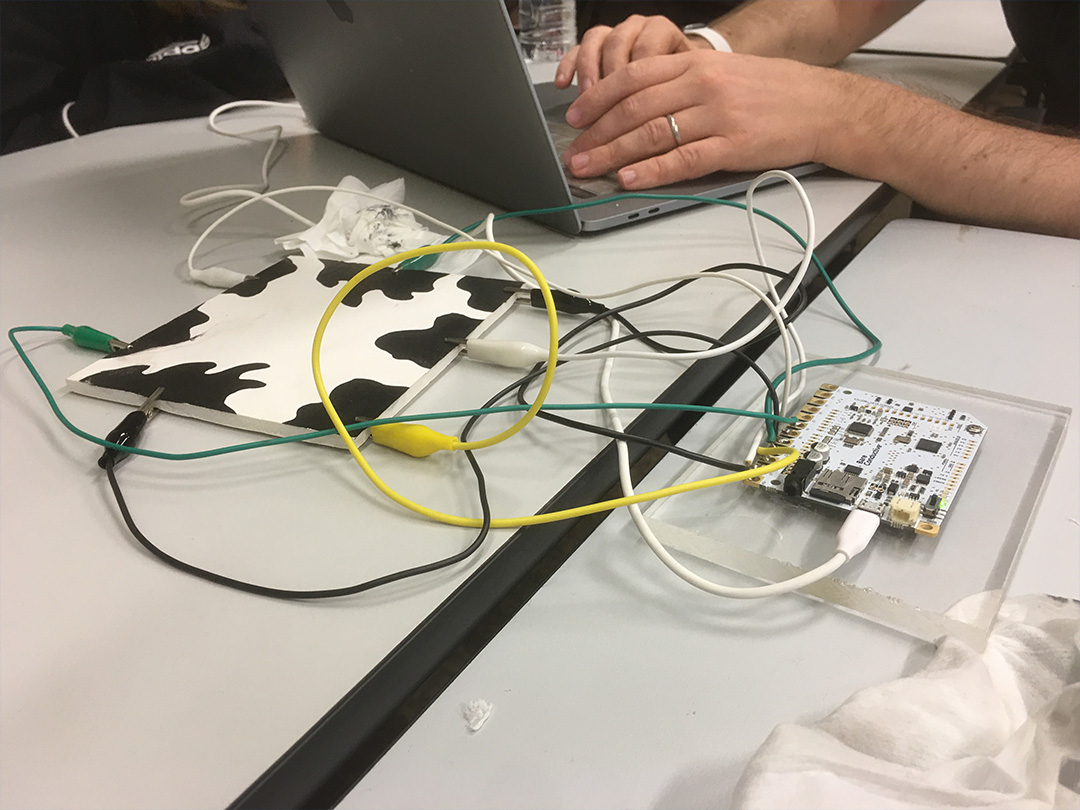
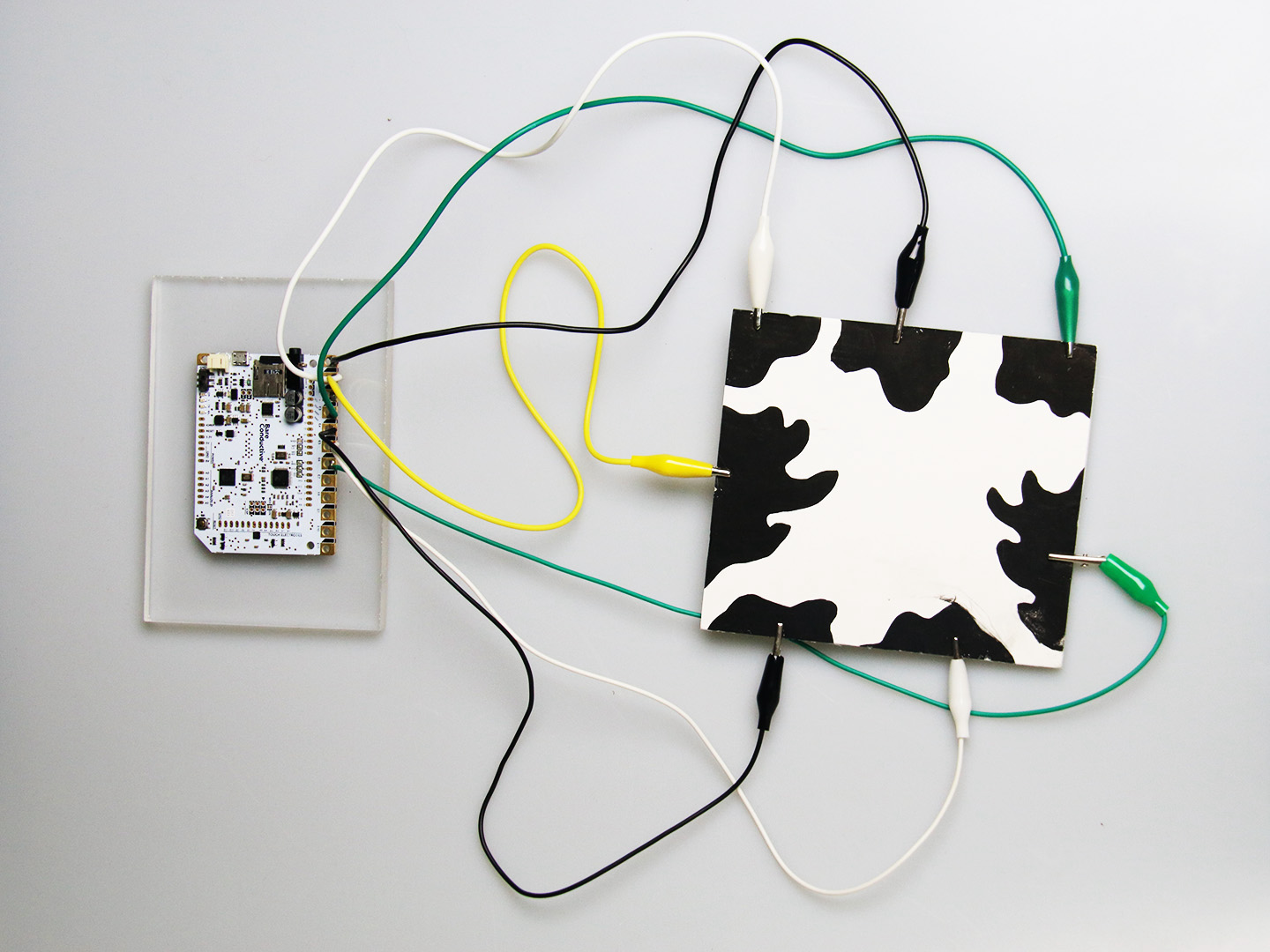
Our group developed an interactive board that would create virtual puddles when the conductive surface was pressed. A virtual puddle corresponds to the area in which the puddle is. Our goal was to produce an output which utilised both the paint and the Arduino board, creating a touch-responsive input that would operate in a P5js program.
The material provided were Arduino boards, wire for conductive paint, and cardboard for applying the paint. Our group had envisioned an interactive pond with ripples appearing on the screen when users touched various points on the board. We were assisted by Andreas when it came to coding as he was able to demonstrate and troubleshoot the many issues that we encountered.
Process
Throughout the sessions, we develop our project ideas using a variety of approaches. AxiDraw, as an example, the originating concept of water is well suited because of its ability to take on a variety of shapes and sizes. Therefore for this project we used two methods, one was through the use of organic aesthetics, namely water puddles, and the other was through software code. Each of our methods that we used in our projects was primarily determined by the tools and machinery we were using. Within the context of the water theme, it was important for us to be flexible to changing circumstances.
Number of our initial ideas have successfully been translated into final products. We encountered a few challenges when we attempted certain experiments that required us to move outside of our comfort zone and try something completely new. However, Andrea’s assistance throughout our projects and the resources and information he provided to us enabled us to successfully complete our projects.
Examining the aesthetics of water through the use of machines


Conclusion
What have I learned over the course of this semester? This semester, we have learned about different types of useful or useless machines through various experiments and projects. Throughout the course of the project, we gained a better understanding of different types of machines and how the system functions through software, which we were not familiar with at the outset. Every project was an opportunity for us to gain more information about machines as we expanded our knowledge.
What were some of the struggles, challenges and achievements? We often encountered difficulties due to our lack of experience and knowledge of machines. Since most of our experiments involved some type of coding, we made many errors while implementing them. Yet we have gained valuable experience and knowledge from those mistakes. In our view, some projects may require further research and development.
Some final thoughts about designing with machines Overall, designing with machines provided insight into the selection of materials, shapes, sizes, and arrangements of machines. In this course, we learned about mechanical elements that result from machines performing according to our design and logic. In light of the knowledge we gained, we anticipate that we will be able to utilise this knowledge and will be able to apply it to future projects.